Buying new construction in Winter Garden can feel simple at first. You tour a polished model home, compare a few floor plans, and imagine an easy path to closing. But once you look closer at lot premiums, builder incentives, deposits, timelines, inspections, and monthly carrying costs, the decision gets more complex fast. If you want to buy smart in this market, you need a strategy that protects both your lifestyle and your long-term resale position. Let’s dive in.
Why Winter Garden draws new-construction buyers
Winter Garden continues to attract buyers who want a suburban setting with strong amenities and access to the greater Orlando area. According to U.S. Census QuickFacts for Winter Garden, the city had 48,771 residents in 2024, a median household income of $106,495, and a 65.7% owner-occupied housing rate.
That local profile matters when you are evaluating new construction. It points to a market with a meaningful owner-occupant base and steady demand drivers, which can support resale depth over time, though never guarantee it.
Winter Garden also offers a lifestyle that many buyers actively seek. The city is recognized as a trail town, and the West Orange Trail runs through downtown, helping anchor recreation, walkability, and everyday convenience.
Those amenities are not just nice extras. They shape how people experience the area and can influence which communities and locations hold broader appeal when it is time to sell.
Understand the premium for new homes
In Winter Garden, new construction often sits in a premium price segment. Redfin reported 204 new homes for sale in March 2026 at a median listing price of $619,000, while the broader market median sale price was about $561,000 in February 2026.
That gap is important. If you focus only on getting into a new home at the lowest possible entry price, you may miss the bigger question: does this home make sense for your budget, your timeline, and your future resale goals?
A better strategy is to view new construction as a long-term fit decision. You are not only buying fresh finishes and builder warranties. You are also choosing a phase location, a lot, a floor plan, and a monthly payment structure that should still make sense years from now.
Compare builders by net value
The model-home price is only one part of the deal. A smarter comparison looks at the full package, including base price, lot premium, included features, upgrade allowances, and any incentive package attached to the purchase.
This matters even more right now because builders are actively using incentives. In April 2026, NAHB reported that 64% of builders were offering sales incentives and 37% were cutting prices.
Those incentives can change the real economics of the transaction. NAR’s reporting on the new-home market notes that they often include closing cost help, mortgage rate buydowns, or design upgrades.
Before you choose a community, compare these line items side by side:
- Base price
- Lot premium
- Included finishes
- Upgrade credits or allowances
- Closing cost assistance
- Mortgage rate buydown offers
- Estimated HOA fees
- Estimated taxes, insurance, and utilities
The builder with the highest sticker price is not always the most expensive option. Likewise, the lowest base price is not always the best value once you add upgrades and ongoing ownership costs.
Budget beyond the purchase price
A common mistake in new construction is underestimating total cost. In Winter Garden, local development-related charges are part of the picture.
The city’s April 2026 impact-fee brochure explains that impact fees help pay for public infrastructure. For a single-family home, example fees include $3,517 for roads, $1,300 for parks, $339 for police, and $491 for fire, before school and utility-related charges.
You also need to think beyond one-time charges. The CFPB reminds buyers to account for HOA fees, taxes, insurance, and utilities, because your true affordability is about the monthly carrying cost, not just the sales price.
That is especially important if you are relocating from another market. A home that looks manageable based on principal and interest alone can feel very different once all recurring costs are included.
Choose features with wider resale appeal
It is easy to get pulled toward highly personalized upgrades. But if resale matters to you, broad appeal usually wins.
According to NAHB, builders are increasingly emphasizing patios, front porches, flex rooms, and EV charging. These features tend to support how people live now while also appealing to a wider pool of future buyers.
In practical terms, the strongest buying choices are often homes with:
- Functional layouts
- Flexible bonus or office space
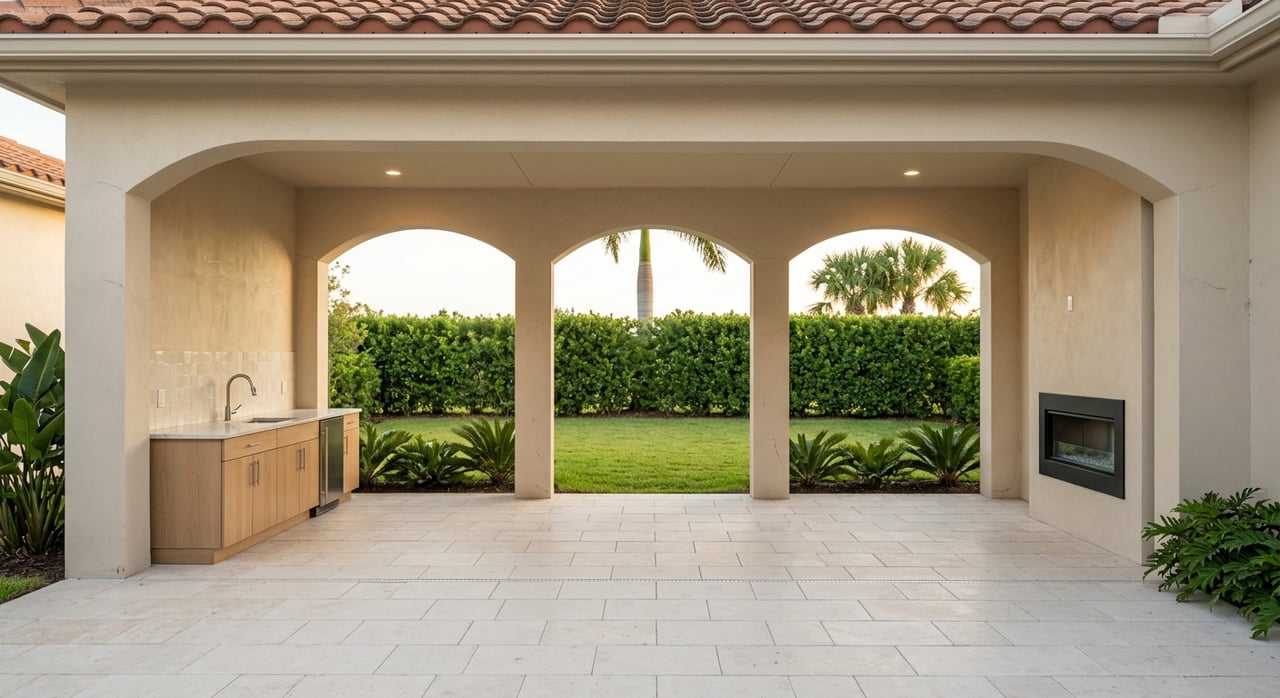
- Outdoor living areas
- Good natural flow between main rooms
- Features that fit everyday use, not just one buyer’s taste
A resale-minded strategy does not mean avoiding upgrades. It means prioritizing upgrades that improve usability and broad market appeal.
Watch the contract timeline closely
New construction contracts involve more moving parts than many resale transactions. That is why timeline management matters from day one.
According to NAR’s consumer guide to buying land and building a new home, fully custom homes may spend three to six months in design and at least 12 to 16 months in construction. Spec homes can move much faster and may still allow some finish selections if the build is early enough.
That means you should treat the contract like a calendar of deadlines. Selection periods, financing milestones, deposit dates, inspection timing, and closing preparation all need attention.
If you are buying from out of state, this becomes even more important. You may not be able to visit every week, so keeping the process organized can help reduce surprises and missed deadlines.
Know how deposits and warranties work
Florida law gives buyers some important protections on new homes. Under Florida Statute 553.837, a builder must warrant a newly constructed home for one year after title conveyance or initial occupancy, whichever comes first, for defects that result in a material violation of the Florida Building Code.
A builder may also provide a longer express written warranty. That makes it important to read the warranty documents carefully and understand what is covered, what is excluded, and how claims must be reported.
Florida law also states that buyers of one- and two-family homes have the right to have deposits up to 10% of the purchase price placed in escrow unless that right is waived in writing. That is a key detail to understand before you sign.
When reviewing a builder contract, pay close attention to:
- Deposit amount
- Whether the deposit is refundable
- When deposits become nonrefundable
- Escrow handling
- Warranty terms
- Builder completion timelines
- Buyer default provisions
Do not skip inspections and lender comparisons
A brand-new home can still benefit from an independent inspection. NAR’s inspection guidance notes that buyers may choose a home inspection between signing and closing and can make inspection part of the contract strategy.
The CFPB also recommends financing and inspection contingencies so you are not forced to close if financing falls through or serious issues are discovered. That advice is especially useful if you are buying remotely and cannot personally track each phase of construction.
Financing deserves the same level of care. The CFPB explains that buyers do not have to use the builder’s affiliated lender and should compare multiple lenders, update down payment and closing-cost assumptions, and calculate the full monthly payment before committing.
Builder financing can be attractive, especially when it includes incentives. But you should still compare it against outside options so you understand whether the package truly works in your favor.
Focus on phase, lot, and location
When you buy new construction in Winter Garden, the home itself is only part of the value equation. The phase, lot orientation, traffic flow, and proximity to local amenities can all affect your day-to-day experience and future resale.
Winter Garden’s strongest amenity anchors include downtown, the West Orange Trail, and the weekly farmers market. The city’s appeal is tied not just to square footage, but to access, convenience, and how the home fits into the broader lifestyle people want here.
That is one reason location inside the community matters. A more desirable lot or a better-situated phase can outperform a slightly larger home in a less appealing position.
Redfin’s February 2026 data showed Winter Garden homes selling in about 32 days on average. While market conditions can change, that pace suggests that well-positioned homes in appealing areas can still attract steady buyer interest.
Why buyer representation matters with builders
Many buyers assume the builder sales team will guide them through everything. They will explain the builder’s process, but you still need clarity on who represents whom.
Under Florida’s Brokerage Relationship Disclosure Act, agency relationships can differ, and representation terms matter. The CFPB also advises buyers to understand whether conversations are confidential and how compensation works if the brokerage also represents the seller.
In a builder transaction, dedicated buyer guidance can help you evaluate:
- Builder incentives versus true net value
- Deposit structure and refund terms
- Contract deadlines
- Inspection timing
- Lender comparisons
- Closing-service options
- Resale implications of floor plan and lot choice
For out-of-state buyers, investors, and busy professionals, that process support can be especially valuable. It helps bring structure to a transaction that can otherwise feel builder-led and one-sided.
Build a strategy, not just a wish list
The strongest new-construction purchases in Winter Garden usually come from disciplined planning. You want the right mix of lifestyle fit, cost control, timeline management, and resale awareness.
That means asking better questions before you sign. What is the true monthly payment? Which incentives are actually valuable? Is the lot one you would still want if you needed to sell in five years? Does the floor plan have broad appeal? What protections and deadlines are buried in the contract?
If you are considering a new-construction purchase in Winter Garden, working with an advisor who understands both the local market and the builder process can help you move with more confidence. Connect with Thomas Pidgeon for a process-driven, high-touch approach to evaluating communities, negotiating smarter, and keeping your purchase aligned with your long-term goals.
FAQs
What is the best new-construction buying strategy in Winter Garden?
- The best strategy is to compare the full net package, not just the base price, while also weighing monthly carrying costs, contract deadlines, lot location, builder incentives, and future resale appeal.
Are builder incentives common for new homes in Winter Garden?
- Yes. NAHB reported in April 2026 that many builders were using incentives, including closing cost assistance, mortgage rate buydowns, and design upgrades.
Do new-construction buyers in Winter Garden need an inspection?
- An inspection is still worth considering. NAR says buyers may choose a home inspection between signing and closing, and CFPB guidance supports inspection contingencies.
Can a builder require you to use their lender in Winter Garden?
- No. CFPB guidance says you do not have to use the builder’s affiliated lender, so it is wise to compare loan options before committing.
What should buyers know about new-home deposits in Florida?
- Florida law says buyers of one- and two-family homes have the right to have deposits up to 10% of the purchase price placed in escrow unless they waive that right in writing.
How does resale value work for new construction in Winter Garden?
- Resale potential is often tied to location, lot placement, access to amenities, and practical features like flexible space and outdoor living, not just square footage or upgrades alone.