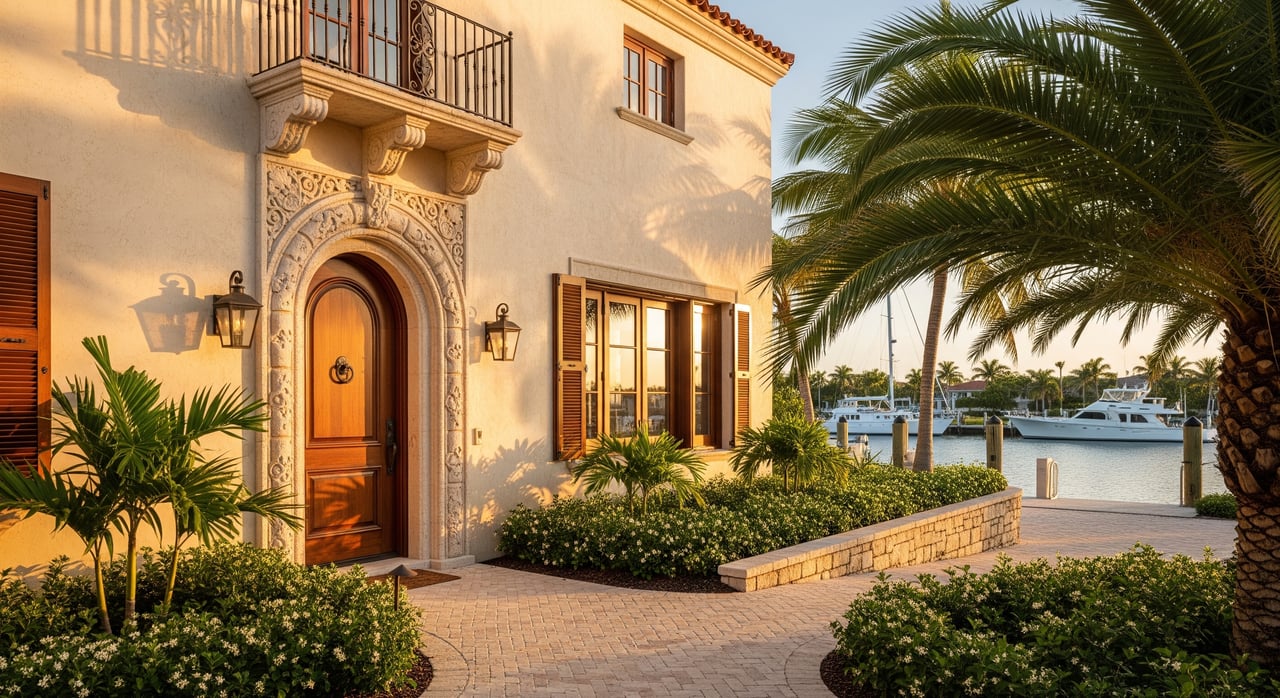
Is your Marina Historic District charmer ready for a thoughtful refresh that keeps its soul intact while meeting modern coastal living needs? You want to protect what makes the home special, manage costs, and avoid red tape, all while planning for storms and rising insurance standards. In this guide, you’ll learn how to navigate approvals, budget wisely, choose resilient solutions, and upgrade without losing historic character. Let’s dive in.
Confirm historic status and approvals
If your property sits in Delray Beach’s Marina Historic District, exterior changes typically require local review before permits. Most homeowners apply for a Certificate of Appropriateness so the city can confirm your plans preserve the home’s character. Interior work is often outside of review unless it affects protected elements, but check early to avoid surprises.
Start with a quick call or pre-application meeting with the City of Delray Beach Historic Preservation or Planning Department. Ask whether your home is part of a local district or individually listed. That status can shape what is reviewable and whether incentives are available.
Permits, codes, and coastal requirements
Florida Building Code and wind zones
Coastal Delray homes must meet the Florida Building Code, including strict wind-load standards. Expect requirements for roof attachments, permitted roof coverings, and hurricane protection at openings. Many projects use impact-rated windows and doors or approved shutters with recognized product approvals.
Substantial improvement triggers
If your renovation cost crosses a specified threshold relative to your home’s pre-damage market value, you may trigger “substantial improvement” rules. This can require elevating or floodproofing the structure to current standards. Discuss your scope, valuation, and cost breakdown with a building official before finalizing plans.
Floodplain and elevation steps
Many Marina District parcels fall in FEMA Special Flood Hazard Areas. Get a flood zone determination and consider an elevation certificate early. If your project is substantial, you may need to elevate the structure or at least raise utilities and mechanical systems above Base Flood Elevation.
Environmental and health safeguards
Homes built before 1978 may contain lead-based paint. Any work that disturbs painted surfaces should follow the EPA’s Renovation, Repair, and Painting Rule, and your contractor should be RRP certified. Older materials can also include asbestos, which requires licensed abatement. In our humid climate, mold and termites are common, so plan for inspections and treatment by licensed professionals.
What to expect with older coastal homes
Foundations and structure
Many historic Delray homes sit on raised foundations with wood piles or masonry piers. Over time, sill plates and joists can suffer rot or termite damage, and metal fasteners can corrode. A structural engineer can recommend hurricane straps, tie-downs, and diaphragm upgrades that improve wind performance while respecting historic fabric.
Moisture and salt air
Humidity, storm exposure, and salt spray demand careful detailing. Make sure roof and wall intersections have proper flashing and kick-out flashing to shed water. Use corrosion-resistant materials like stainless or hot-dip galvanized fasteners and improve ventilation to reduce rot and mold risks.
Roofs and windows
Original roofing such as clay tile and metal is often character-defining. If replacement is necessary, look for modern equivalents that match the appearance while meeting code. For windows, start with a repair-first mindset, then consider reversible interior storms or historically sensitive exterior shutters. When replacement is allowed, choose hurricane-rated units that closely match original profiles.
Design that respects history
Preservation hierarchy
The best practice is simple: repair before replace. When you must replace, use in-kind materials and historically appropriate profiles, especially for elements visible from the street. Favor reversible solutions so future owners can restore original conditions if desired.
Additions and site changes
If you plan an addition, keep it compatible in size and massing without overwhelming the primary facade. Differentiate new work with subtle shifts in materials or detailing while preserving overall neighborhood rhythm. Even visible site changes like driveways, fences, or front-yard landscaping often require review, so verify before you begin.
Resilience that blends in
Aim for discreet protection that maintains curb appeal. Consider interior storm panels, historically consistent exterior shutters, or impact glazing with matching muntin patterns. Elevate utilities and mechanical equipment above flood levels, and improve grading, rain gardens, or permeable paving to reduce standing water.
Budget, financing, and insurance
Costs and contingencies
Historic renovations often cost more per square foot than standard remodels. Specialized craftsmanship, careful documentation, and review timelines add complexity. Plan a contingency of 15 to 30 percent to cover hidden conditions, structural repairs, or hazardous materials.
Financing options
Many owners use conventional renovation mortgages or renovation-friendly products like FHA 203(k) and Fannie Mae HomeStyle for owner-occupied homes. HELOCs, construction loans, and personal loans can also fill gaps. Federal Historic Rehabilitation Tax Credits typically apply to income-producing properties, not owner-occupied residences, but local grants or low-interest programs may exist, so check city and county resources.
Insurance and long-term risk
Coastal homeowners frequently need both homeowners insurance and flood coverage if in a Special Flood Hazard Area. Policies may exclude flood or use hurricane deductibles, and some owners carry separate windstorm coverage. Premiums tend to improve with higher elevation relative to Base Flood Elevation and with mitigation features like impact openings and elevated systems.
Your project roadmap
Define goals and scope. Decide what to preserve, where to modernize, and how to improve resilience without changing the home’s character.
Build your team. Engage a preservation-minded architect, a structural engineer with coastal experience, and a Florida-licensed general contractor familiar with historic rehab. Confirm RRP certification for any lead-related work.
Verify status and constraints. Confirm your district or listing status, flood zone, and potential substantial improvement triggers. Gather valuation, preliminary cost estimates, and existing plans if available.
Hold a pre-application meeting. Review conceptual plans with city historic staff to save time and align on materials, windows, and visible site changes.
Apply for your Certificate of Appropriateness. Submit drawings, material specs, and product approvals for openings and roofing.
Permit with the building department. Ensure structural details, wind-load calculations, and floodplain requirements are fully addressed.
Plan the schedule and budget. Allow for added review time and build in contingency. Long-lead products like impact-rated windows should be ordered early.
Construct with care. Protect historic fabric, keep water out during phases, and document repairs and product approvals for future buyers and insurers.
Close out and update insurance. Capture final elevation or mitigation documentation, and speak with your insurer about premium credits for upgrades.
Quick checklist
- Confirm local historic status and any listing.
- Flood zone check and elevation certificate.
- Pre-application meeting with city historic staff.
- COA application with drawings and specs.
- Product approvals for impact windows, doors, and roofing.
- RRP-certified contractor for pre-1978 paint.
- Structural review for wind and uplift.
- Plan for moisture management and corrosion resistance.
- Elevate utilities and improve drainage where needed.
- Keep a 15–30 percent contingency in your budget.
For sellers: renovations that add value
Buyers in coastal Delray often pay premiums for well-restored historic homes. You can strengthen your listing by documenting historically appropriate work and code-compliant upgrades like impact openings, roof fastening, and elevated mechanicals. Cosmetic improvements and pre-market prep can be streamlined with Compass Concierge, which helps finance staging and select improvements to enhance presentation and speed to market.
If you are weighing what to tackle before listing, we can help you prioritize high-ROI fixes while protecting historic character. Our process-driven approach makes it easier to align scope, timeline, and marketing so you capture value without over-improving.
Ready to plan your next step with an experienced local advisor? Let’s map a clear path from design to market, tailored to your Marina Historic District home. Connect with Thomas Pidgeon to talk strategy, or Get Your Instant Home Valuation.
FAQs
Do I need approval to change my Marina Historic District home’s exterior?
- If your property is within a local historic district, exterior changes typically require a Certificate of Appropriateness before permits are issued; check with the city early.
What are my options for hurricane protection on a historic home?
- You can often use impact-rated windows and doors, approved shutters, or interior storm panels; selections should match historic appearance and may require design review.
What is “substantial improvement” and why does it matter?
- When renovation costs exceed a set percentage of your home’s pre-damage market value, you may need to meet current flood elevation and floodproofing standards.
How should I budget for a Marina District renovation?
- Plan for higher per-square-foot costs and include a 15–30 percent contingency for hidden conditions, structural repairs, or hazardous materials.
Are there tax credits for owner-occupied historic homes in Delray Beach?
- Federal historic tax credits generally target income-producing properties; check city or county programs for homeowner-focused grants or low-interest assistance.
Will I need flood insurance for my home near the Intracoastal?
- If your property is in a Special Flood Hazard Area, lenders usually require NFIP flood insurance; premiums reflect elevation and mitigation features like impact openings and elevated systems.