Thinking about selling a historic home in Delray’s Marina District? You are not just listing another property. You are bringing a piece of Delray Beach history to market, and that means buyers will notice details, ask sharper questions, and expect a thoughtful presentation. If you want to protect value, avoid last-minute surprises, and tell the right story, it helps to understand what makes this district unique before your home goes live. Let’s dive in.
Why the Marina District Stands Out
The Marina Historic District is one of Delray Beach’s locally designated historic districts. The city identifies the district as generally bounded by East Atlantic Avenue to the north, SE 4th Street to the south, SE 7th Avenue to the west, and the Intracoastal Waterway to the east. It also carries national historic recognition, which adds another layer to its identity.
What makes the area especially compelling is its architectural character. City records describe a district built predominantly in the early 20th century, with styles that include Mediterranean Revival, Mission Revival, Monterey, Frame Vernacular, and Art Moderne. That mix gives sellers a strong foundation for marketing because buyers are often drawn to homes with design features that feel hard to replicate today.
The district also reflects Delray Beach’s early growth and development. Along with single-family homes, it includes multi-family properties and commercial frontage along Atlantic Avenue. For a seller, that means the appeal is not just the home itself, but also the district’s established identity, preserved streetscape, and proximity to the Intracoastal.
What Buyers Will Notice First
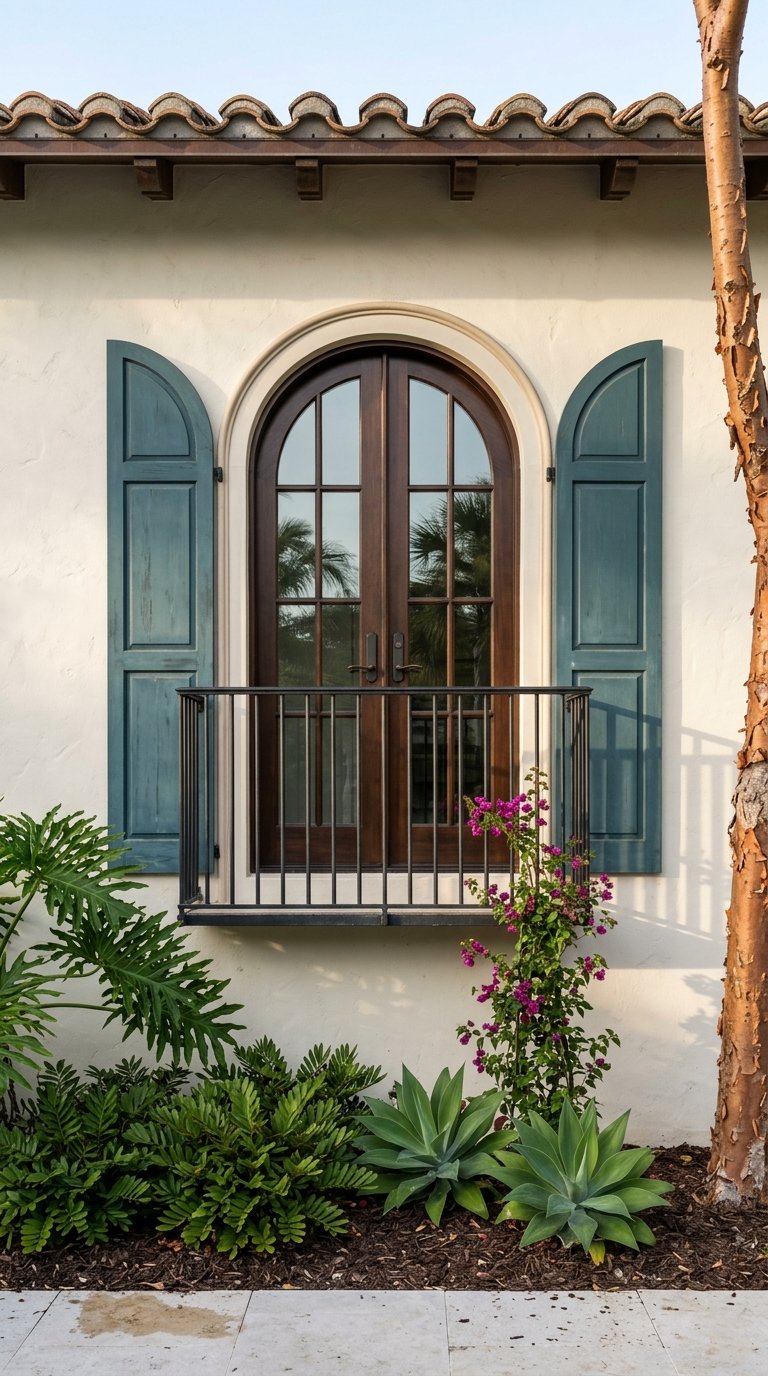
Historic-home buyers usually look beyond square footage and finishes. They tend to focus on architectural authenticity, exterior character, and how well the property has been cared for over time. In the Marina District, that can mean rooflines, porches, original windows or doors, visible detailing, and landscaping that complements the home’s age and style.
Your listing should make those features easy to understand. A well-prepared sale highlights what is original, what has been updated, and whether exterior work was done in a way that respected the home’s historic context. That clarity helps buyers feel more confident from the start.
Check Approvals Before Listing
You do not need city approval simply to sell your home. But if your property has had exterior work, it is smart to verify that the work was properly reviewed, permitted, and documented before the listing hits the market. This is one of the most important steps for sellers in the Marina Historic District.
Delray Beach requires a Certificate of Appropriateness, or COA, for exterior improvements and alterations within a designated historic district. For single-family and duplex properties, COA review generally applies to exterior changes. For some other property types, additional site plan review may also be required.
The city’s review framework covers a wide range of exterior items. Depending on the scope and visibility, review may be triggered by changes to:
- Additions
- Awnings
- Doors
- Driveways
- Fences and walls
- Mechanical equipment
- Paint colors
- Porches
- Roofs
- Shutters
- Visible exterior finishes
- Windows
If your home has had updates in any of these areas, gather your records early. Buyers may ask about permits for windows, storm protection, mechanical equipment, exterior paint, roof work, or additions, especially in a coastal historic district where visible upgrades matter.
Understand What Usually Is Not Restricted
Not every project creates a historic review issue. According to the city, general maintenance and interior alterations are typically left to the owner’s discretion. That can be reassuring if you have renovated kitchens, baths, or other interior spaces.
Still, it is worth separating interior improvements from exterior ones in your pre-listing materials. Buyers appreciate a clean, organized record that shows which updates were interior and which exterior elements received historic review when required. That level of preparation can reduce friction during due diligence.
Paint, Windows, and Other Common Questions
One of the most common seller misunderstandings involves paint. In Delray Beach’s historic districts, exterior paint color changes require COA approval along with a Building Materials and Color Sample Form. If you recently repainted, make sure you can show the approval trail.
Windows and shutters also draw attention because they affect both appearance and storm-readiness. The city specifically includes these items in its review matrix, along with roofs and mechanical equipment. If those features were updated, buyers will want to know how the work was handled visually and whether approvals were obtained.
Use Historic Records to Your Advantage
A historic home often comes with a story, and in the Marina District, that story can strengthen your marketing. Delray Beach offers a Historic GIS that connects historic properties and districts to records that may include photographs, construction dates, designation reports, and architectural style information. Those records can help you build a more credible and compelling listing narrative.
This matters because buyers respond to specifics. Instead of vague claims about “old Florida charm,” you can present documented details about the home’s style, approximate era, and place within the district’s development. That kind of fact-based storytelling feels more trustworthy and often more memorable.
Show Preservation, Not Guesswork
The city’s design guidelines emphasize preservation over conjecture. In simple terms, historic features should be retained and preserved when possible, and deteriorated features should be repaired rather than replaced when feasible. When replacement is necessary, the goal is to match the earlier work in design, color, texture, and, where possible, materials.
That guidance matters when you position your home for sale. If you have maintained original elements or completed careful repairs, that is worth highlighting. If a feature was replaced, buyers may feel more comfortable when you can show that the work respected the home’s historic appearance.
Price and Package the Home Thoughtfully
Selling a historic property is rarely just about putting a number on the square footage. You are also pricing architectural character, location near the Intracoastal, and the scarcity of a home within a recognized district. At the same time, buyers may weigh the responsibilities that come with historic ownership, so presentation and documentation become part of the value equation.
A strong pre-listing package can help support your asking price. Consider organizing:
- COA approvals for exterior work
- Building permits and close-out records
- A timeline of major improvements
- Historic GIS materials or designation details
- Information about any active historic tax exemption
- Notes on original or preserved architectural features
This kind of preparation fits especially well with a process-driven selling strategy. It gives buyers fewer reasons to hesitate and gives your agent stronger material to work with in marketing and negotiations.
Know the Incentives That May Matter
Historic incentives can be meaningful at the listing stage. Delray Beach says its Historic Property Ad Valorem Tax Exemption may be available for owner-occupied residences and income-producing properties that contribute to a historic district or are individually listed locally. The exemption can cover 100% of the assessed value of qualified improvements for up to 10 years.
For sellers, one detail stands out. The city says this local exemption can transfer to a new owner if the property is sold during the exemption period, provided the qualifying work began after pre-construction approval. If your home has an active exemption, that may be useful information to include in your disclosure package or buyer conversations.
For commercial properties, the city also notes that the CRA offers a historic façade easement program for designated commercial structures. Because that arrangement includes exterior approval requirements, sellers of commercial or mixed-use properties should be prepared to explain the easement and its practical impact.
Be Ready for Code and Repair Questions
Older homes often prompt questions about code compliance and repair options. Delray Beach’s design guidelines note that the Florida Building Code gives special treatment to qualified historic buildings, and the building official may consider alternatives for retrofitting them. In practice, that can mean more tailored solutions may be possible, as long as code equivalency and preservation review are satisfied.
This does not remove the need for proper review. It does mean that buyers should not assume every repair must follow the same path as a non-historic property. If your home has benefited from approved historic treatment, organized documentation can help explain that clearly.
Market the Architecture With Restraint
The best Marina District listings do not overpower the architecture. They let the home’s details lead. Clean photography, uncluttered staging, and thoughtful captions can help buyers focus on the elements they cannot easily recreate later.
That approach fits the city’s preservation standards, which caution against creating a false sense of history. In practical terms, avoid overly themed staging or visual choices that compete with the home’s real architectural character. Let original scale, light, materials, and exterior lines do the work.
For showings and virtual tours, spotlight features like:
- Porch and entry details
- Rooflines and massing
- Window and door design
- Masonry or frame craftsmanship
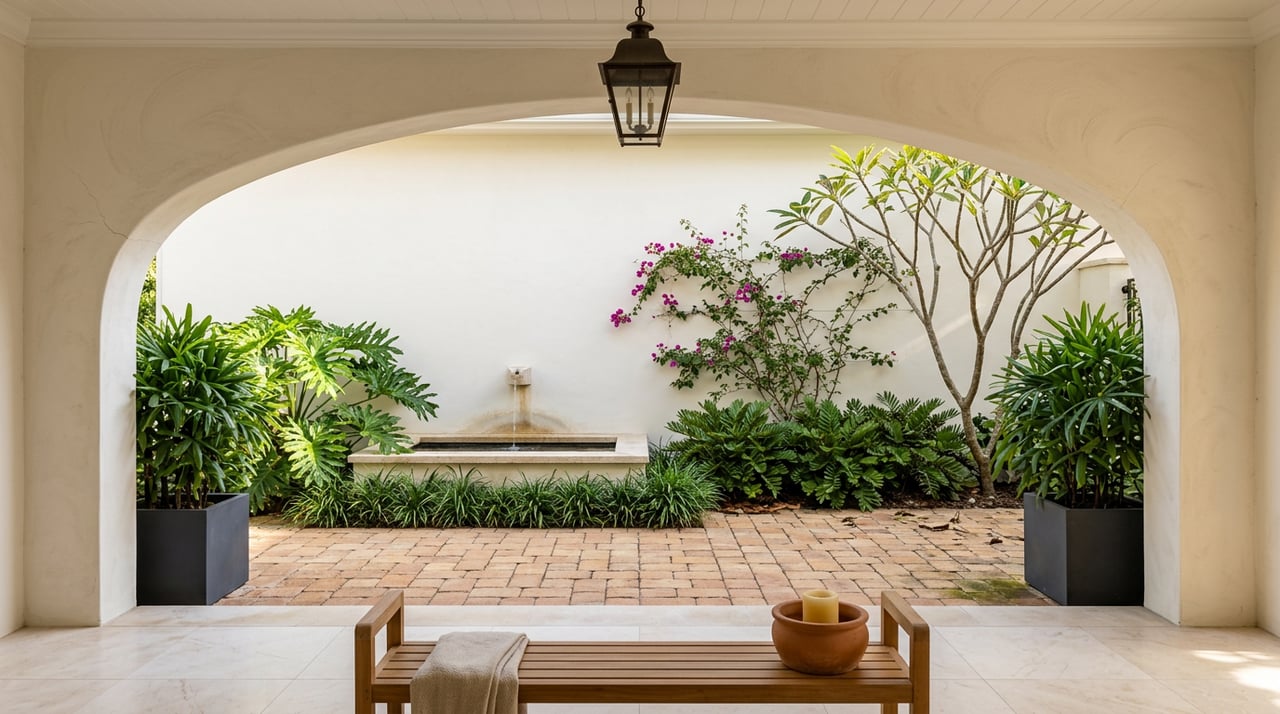
- Mature landscaping
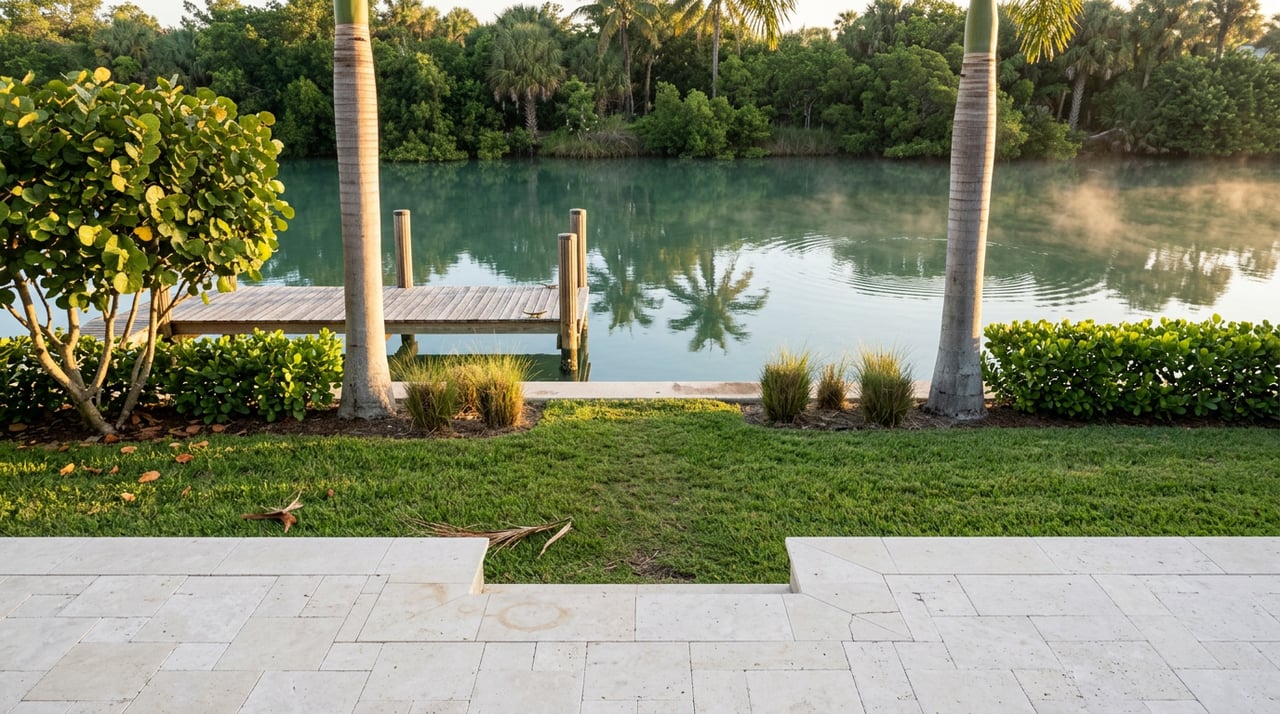
- Water adjacency and district setting
If the home has visible storm-related upgrades, include clear context. A carefully presented explanation of shutters, windows, roofing, or exterior equipment can answer buyer concerns before they become objections.
Mixed-Use and Commercial Considerations
If you are selling a mixed-use or commercial property in the Marina District, the process may be more layered. The city says non-residential properties generally require both COA review and a site plan application for exterior work. Signage also requires a building permit and may need COA review.
That means marketing should reflect the property’s current approvals and limitations accurately. Clear documentation and realistic expectations are especially important when a future buyer may be thinking about signage, exterior changes, or reuse potential.
Why Process Matters in a Historic Sale
Historic homes can create strong emotional interest, but successful closings still depend on execution. The more organized you are before listing, the easier it becomes to answer buyer questions, support your price, and keep due diligence on track. In a district like Marina, details matter because buyers are often evaluating both charm and compliance.
That is where a disciplined, local approach can make a real difference. When your sale strategy combines strong presentation, complete records, and a clear understanding of Delray Beach’s historic review framework, you put yourself in a much better position to protect value and move forward with confidence.
If you are preparing to sell a historic home in Delray’s Marina District, working with an advisor who understands both neighborhood positioning and process can help you avoid costly missteps. To plan your next move with clarity, connect with Thomas Pidgeon.
FAQs
Do I need city approval to sell a historic home in Delray’s Marina District?
- No. You do not need city approval just to sell, but you should verify permits and COA approvals for past exterior work before listing.
Can I repaint the exterior of a Marina District home without approval?
- No. Delray Beach requires COA approval and a Building Materials and Color Sample Form for exterior paint color changes in a historic district.
Are interior renovations restricted in Delray’s Marina Historic District?
- Usually not. The city says general maintenance and interior alterations are typically left to the owner’s discretion.
Can a historic tax exemption transfer to a buyer after a Marina District home sale?
- Yes. The city says its local historic property tax exemption can transfer to a new owner if the property is sold during the exemption period and the qualifying work began after pre-construction approval.
What exterior changes often trigger review for a Marina District home?
- Common examples include windows, roofs, shutters, porches, driveways, doors, fences, walls, paint colors, additions, visible finishes, and some mechanical equipment.
Can Delray Beach allow flexibility for repairs on qualified historic buildings?
- Yes. The city says alternatives for retrofitting qualified historic buildings may be considered under the Florida Building Code, subject to code equivalency and preservation review.