If sunshine, easy access to the beach, and a polished everyday lifestyle sound appealing, Boca Raton might be your perfect match. Whether you are relocating, downsizing, or considering a seasonal home, you want a clear picture of daily life before you commit. In this guide, you will learn how Boca feels day to day, where people shop and dine, how neighborhoods differ, and what to expect with commutes, schools, and weather. Let’s dive in.
Boca Raton at a glance
Boca Raton sits on Florida’s southeast Atlantic coast in Palm Beach County, about midway between West Palm Beach and Fort Lauderdale/Miami. It is part of the West Palm Beach–Boca Raton–Delray Beach metro area. You will find a mix of beachfront living on the east side and more suburban neighborhoods to the west.
The population includes a larger share of older adults and active retirees, plus families, students from Florida Atlantic University, and seasonal residents. The climate is subtropical: summers are hot and humid with frequent afternoon storms; winters are mild and drier. Winter also brings a “snowbird” bump in activity across shops, restaurants, and outdoor spaces.
Outdoor life and beaches
Boca is an outdoor city. You can start your day with a sunrise walk and finish with dinner under the palms. Popular public beaches include Red Reef Park, Spanish River Park, and South Inlet Park. Red Reef is known for its near-shore reef habitat that attracts snorkelers, while Spanish River and South Inlet offer wide sand, picnic areas, and family-friendly facilities.
Nature is part of the local identity. The Gumbo Limbo Nature Center hosts sea turtle programs, boardwalks, and educational exhibits. On the water, boating, paddleboarding, and fishing are regular weekend plans. Golf and tennis are plentiful, and the local pickleball scene is growing fast. In short, outdoor recreation is easy to access and a steady part of everyday life.
Shopping, dining, and culture
For shopping, Town Center at Boca Raton serves as a major regional mall with national brands and everyday essentials. Mizner Park and Downtown Boca offer boutiques, galleries, and restaurants in a walkable setting. You will also find a wide range of options along Palmetto Park Road and Glades Road, from local cafés and bakeries to specialty markets and services.
Dining runs from casual seafood and waterfront spots to upscale steakhouses and resort restaurants. Culture and events are anchored by the Boca Raton Museum of Art, the Wick Theatre, and concerts at Mizner Park Amphitheater. Florida Atlantic University adds lectures, arts programming, and sports to the mix. Seasonal festivals and the Boca Raton Bowl draw residents and visitors alike, especially in winter and spring.
Neighborhoods explained
Boca’s neighborhoods fall into a few clear categories. Each offers a different rhythm and set of tradeoffs.
East and Downtown
East Boca features higher-density condos and towers along the Intracoastal Waterway and ocean, plus walkable pockets around Mizner Park and Royal Palm Place. You may prioritize marina access, waterfront views, and dining within a short stroll. Many buildings offer resort-style amenities. Coastal properties can sit in FEMA flood zones, so flood insurance and hurricane preparation are important considerations.
West Boca
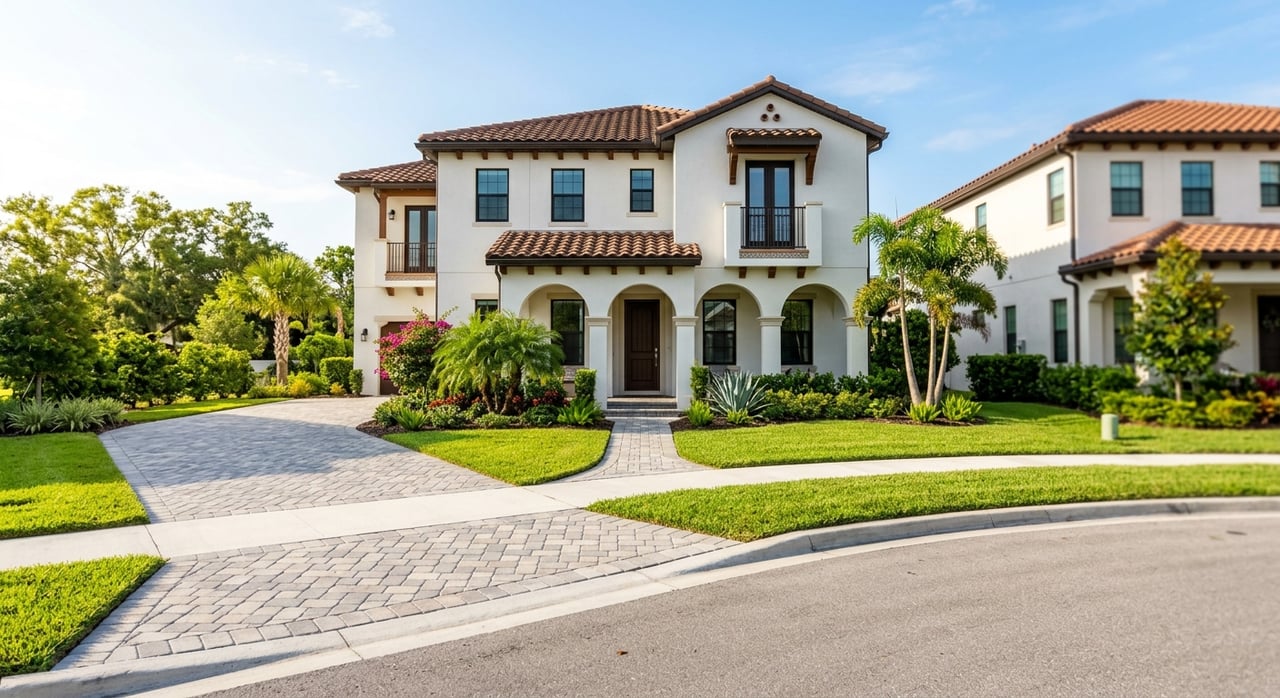
West Boca offers suburban living with single-family homes, larger yards, and newer developments. It is generally more affordable per square foot than the coastal core. You will find parks, community centers, and convenient access to daily shopping. Many families choose this area for space and neighborhood feel.
Age-targeted communities
Boca has several 55+ and active-adult communities, including large developments with strong social calendars and on-site amenities. These communities appeal to downsizers who want low-maintenance living and a built-in network of activities.
Country-club living
Country-club and gated communities focus on amenities like golf, tennis, fitness, dining, and social programming. These neighborhoods vary in membership structures and fees. If you value club life and on-property convenience, they can deliver a turnkey lifestyle.
Schools and education
Public schools in Boca are part of the School District of Palm Beach County. Zoning varies by neighborhood, and there are magnet and choice programs. You should verify assignments through district maps and school resources before you buy or rent. Private schools and religious institutions provide additional options. Florida Atlantic University is a local anchor for higher education, research, and community events.
Safety and healthcare
Boca Raton generally reports crime levels that many profiles describe as moderate to low for violent crime relative to national averages, with property crime more common. Conditions vary by neighborhood and time of day. As in any metro area, situational awareness is part of daily life.
Healthcare access is strong. Boca Raton Regional Hospital is the principal local hospital, and you will find a wide network of outpatient clinics and specialty providers. Proximity to other Palm Beach County hospitals expands your options for specialized care.
Getting around and commutes
Boca is primarily car-oriented. I‑95 and Florida’s Turnpike are the main north–south corridors. Glades Road and Yamato Road are major east–west routes used for cross-town travel. Regional transit options include Tri-Rail, which connects to Fort Lauderdale and Miami, and Palm Tran bus service within the county.
For air travel, Palm Beach International Airport is typically the most convenient major airport. Fort Lauderdale–Hollywood International and Miami International are viable for additional routes. The Boca Raton Airport serves general aviation and sits near business districts.
Weather and resiliency
Hurricane season runs from June through November. Newer buildings meet strengthened wind codes, while some older homes may need upgrades such as impact windows or shutters. Coastal properties may sit in flood zones that require flood insurance. City and county agencies publish preparedness guidance each season.
Here is a simple hurricane readiness checklist to keep in mind:
- Review your insurance policies and flood zone status.
- Install or confirm impact protection on windows and doors.
- Create a household emergency kit and medication list.
- Plan evacuation routes and understand local shelter options.
- Service generators and clear yard debris before storms.
Cost of living and housing
Boca Raton’s housing costs and overall cost of living tend to be higher than Florida and U.S. averages. The absence of a state income tax can help balance your household budget. Monthly costs vary by property type and location. Condos often include amenities and on-site management but come with HOA fees. Single-family homes provide more space and privacy, along with hands-on maintenance.
Market activity often increases in winter and spring as seasonal residents shop for homes. Coastal neighborhoods can be competitive and inventory can tighten at peak times. If you are comparing buying and renting, think about flexibility, maintenance preferences, and insurance needs. For the most current pricing, review local MLS data and recent neighborhood sales.
Which Boca fits you
Use these quick profiles to narrow your search:
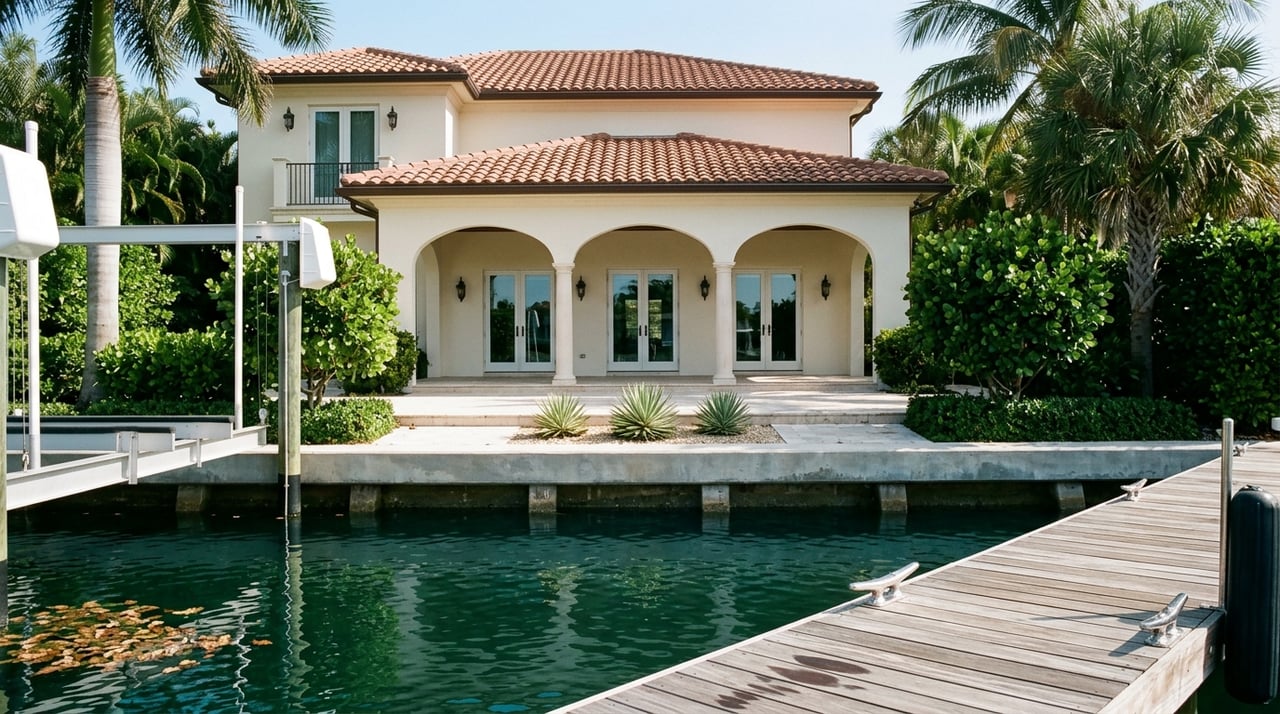
- Waterfront and boating lifestyle: East Boca high-rises, Intracoastal neighborhoods, marina access, and private docks.
- Walkable dining and culture: Downtown Boca and Mizner Park for mixed-use living and evening options.
- Space for yards and play: West Boca subdivisions with single-family homes and parks.
- Low-maintenance, social living: 55+ and active-adult communities with robust programming.
- Amenity-first lifestyle: Country-club and gated communities with golf, tennis, fitness, and dining.
Daily rhythm you can expect
You will feel a seasonal shift each year. Winters are lively with events, visitors, and full restaurant patios. Summers are quieter and more laid-back with afternoon storms that clear for evening walks. Walkability is strongest in Downtown and parts of East Boca; most errands elsewhere are easier by car. Nightlife is active but not around the clock. The overall mood is relaxed, service-oriented, and anchored by the beach.
Ready to explore homes in Boca?
If Boca Raton sounds like a fit, you deserve a smooth, well-planned move. Our team uses a process-driven approach backed by Compass tools to simplify your search or sale. We can coordinate staging and improvements through Compass Concierge, connect you with trusted mortgage partners, and even offer an exclusive cash-offer option for added certainty. Start with a conversation and get tailored guidance from Thomas Pidgeon.
FAQs
Are Boca Raton beaches public or private?
- Boca offers several public beach parks with parking and amenities; some oceanfront buildings and clubs have private access, so check specific access points before you go.
What is the commute like in Boca Raton?
- Most residents drive using I‑95, Florida’s Turnpike, Glades Road, and Yamato Road; Tri-Rail and Palm Tran provide transit options, but daily life is largely car-based.
How are public schools assigned in Boca Raton?
- Schools are administered by the School District of Palm Beach County; assignments depend on your address and program choice, so confirm zoning and options with district resources.
Do I need flood insurance for a coastal home in Boca?
- Many coastal properties sit in FEMA flood zones where lenders typically require flood insurance; verify your parcel’s risk and coverage requirements when you shop.
What should I expect during hurricane season in Boca?
- Plan for June through November with impact protection, an emergency kit, insurance reviews, and a clear evacuation plan; newer buildings meet strengthened wind codes.
When is the busy homebuying season in Boca Raton?
- Activity often increases in winter and spring due to seasonal residents; desirable coastal areas can see tighter inventory and quicker timelines during these months.