If you love the idea of stepping out your front door and strolling to the marina or Atlantic Avenue, the Marina Historic District may be the right fit. You get architectural charm, walkable streets, and a rare sense of place. Still, buying a historic home is different from a typical purchase. In this guide, you’ll learn how the district works, what rules and inspections to plan for, and the best paths to finance improvements so you can buy with confidence. Let’s dive in.
Why the Marina Historic District stands out
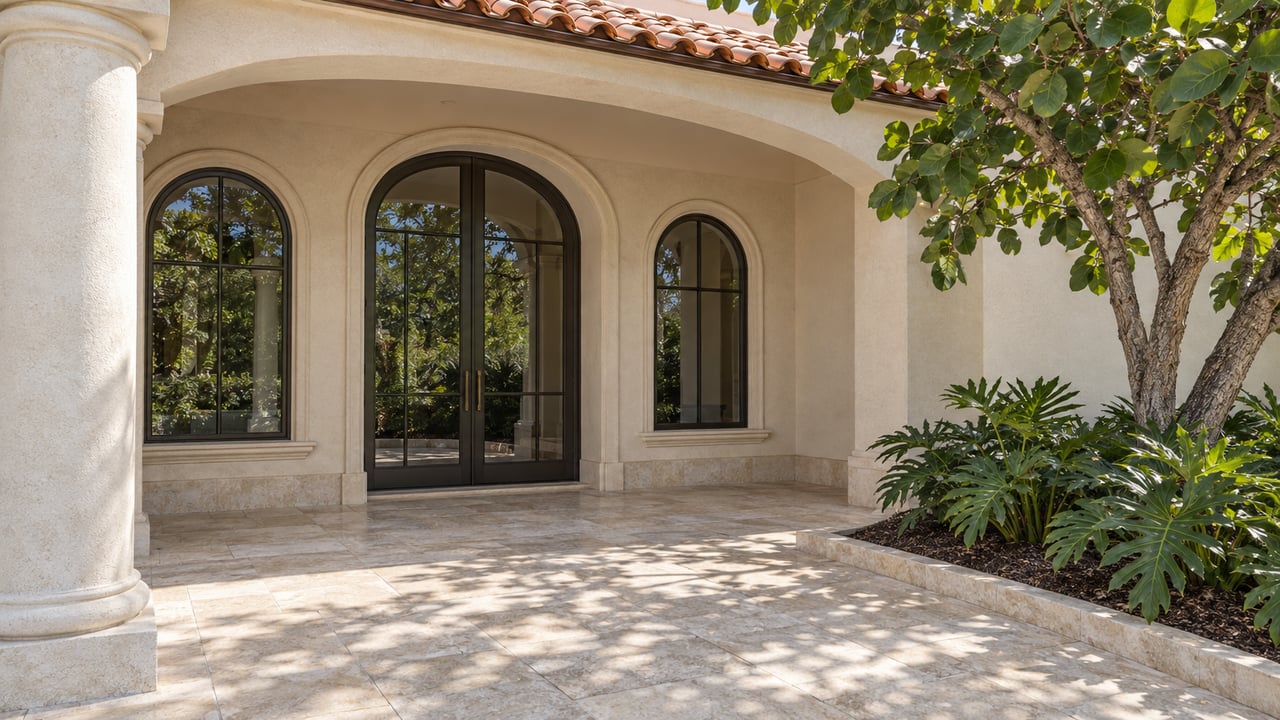
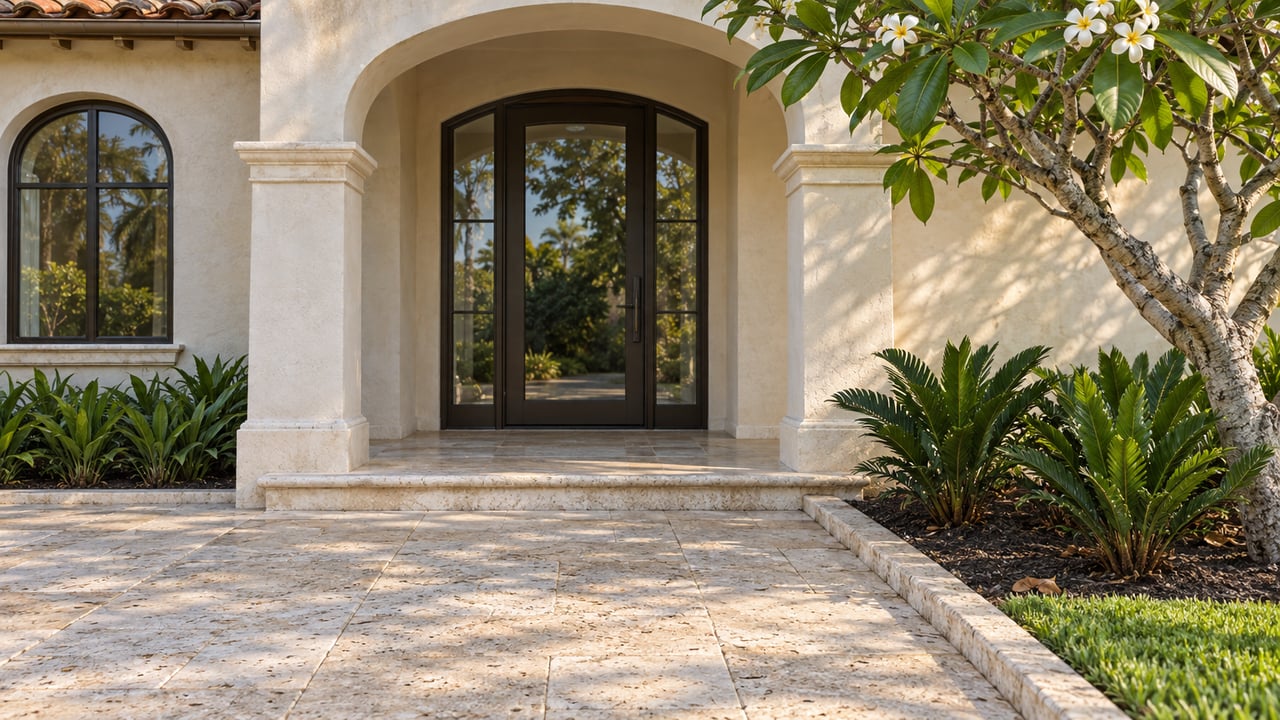
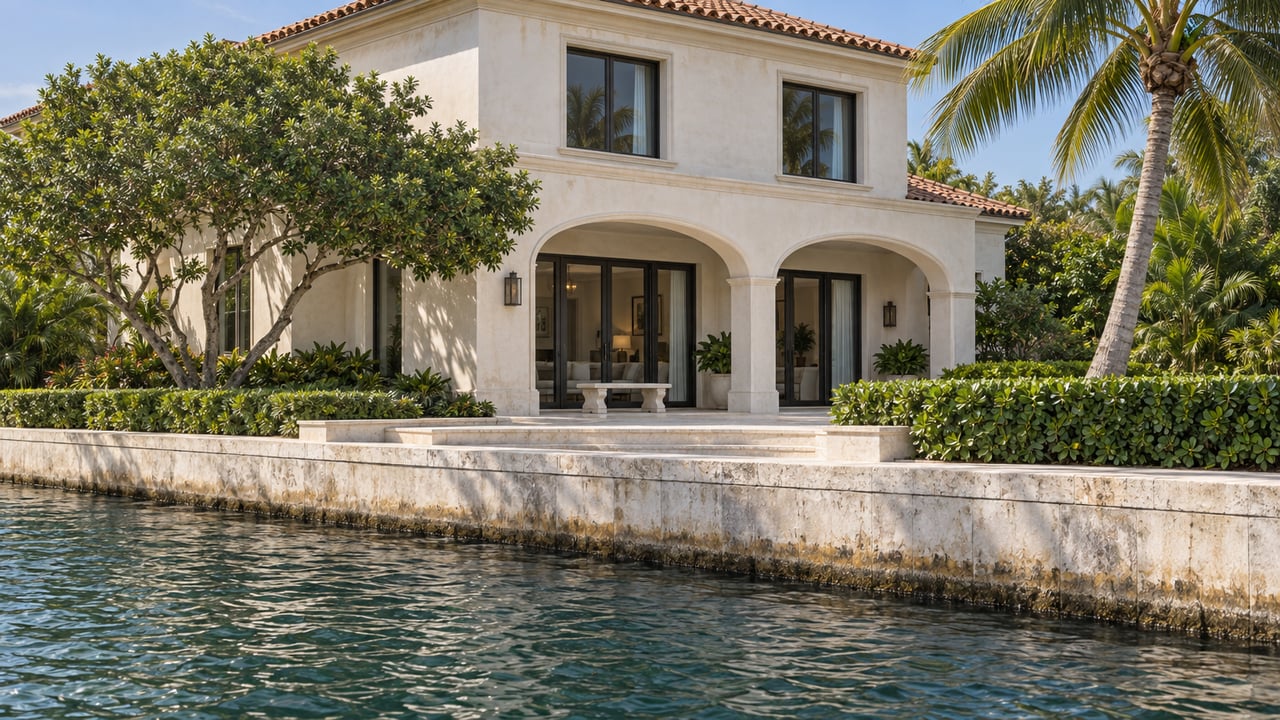
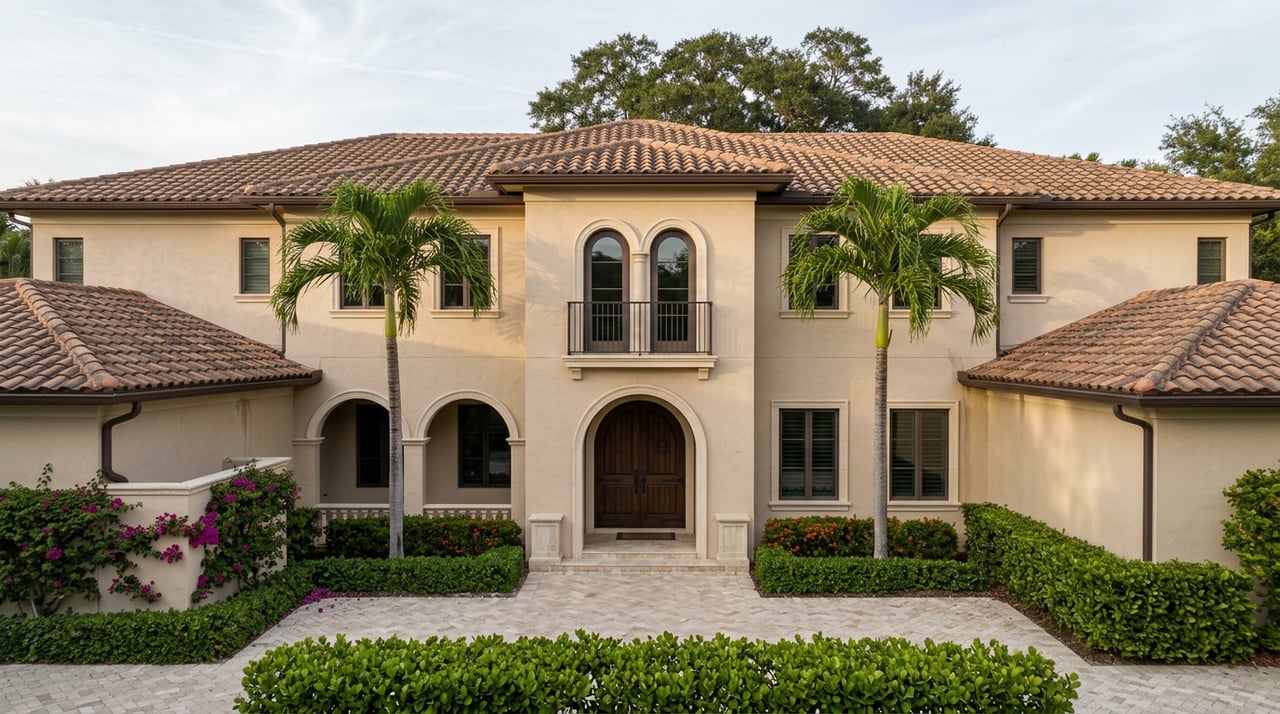
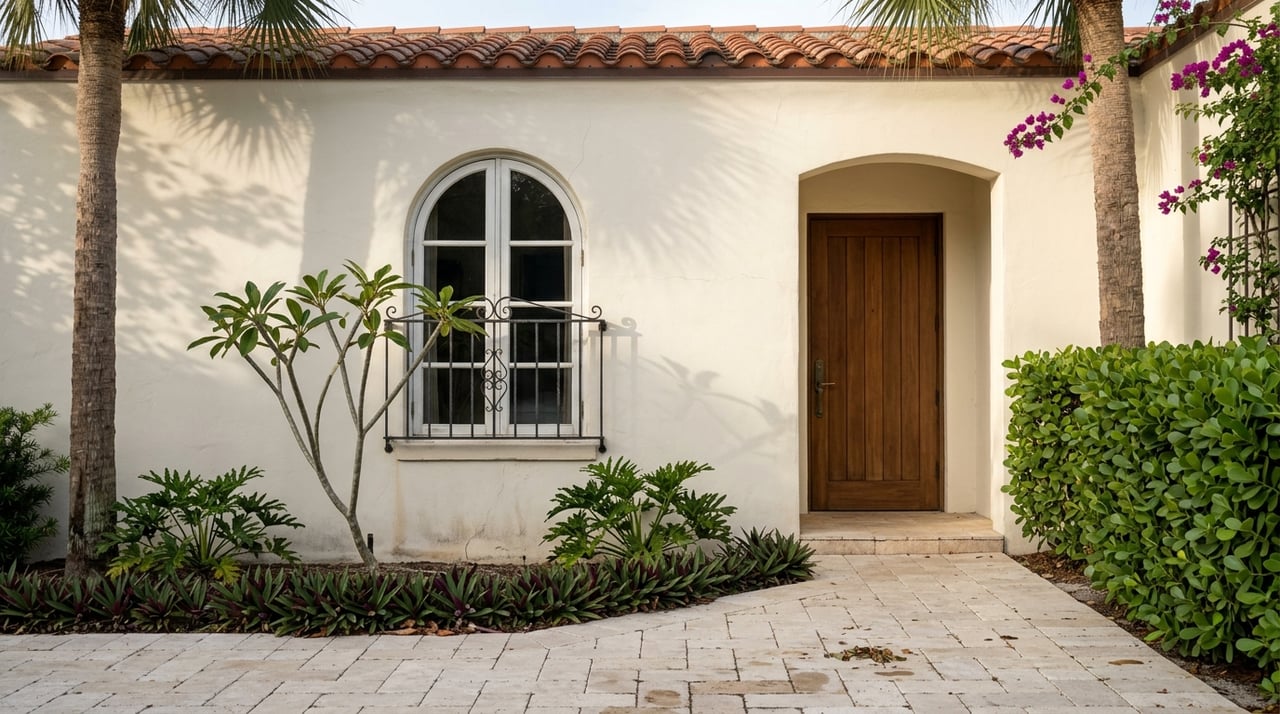
The Marina Historic District sits along the Intracoastal Waterway in Delray Beach. It is generally bounded by East Atlantic Avenue on the north, SE 4th Street on the south, SE 7th Avenue on the west, and the Intracoastal on the east. Development dates from about 1922 to 1943 and features Mediterranean and Mission Revival, Monterey, classic Florida frame cottages, and Art or Streamline Moderne styles. You also find work by notable local architects like Gustav Maas, Samuel Ogren Sr., and John Volk, plus shaded streets and lush plantings that define the area’s character. These details are documented in the city’s Historic Preservation Guidelines.
The district is on both the Local Register of Historic Places and the National Register. That recognition helps preserve the neighborhood’s scale and appearance. For you, it can support long-term neighborhood appeal and stability while adding a layer of review to exterior changes. You can explore the city’s preservation program through the Historic Preservation Board.
What historic designation means for you
Historic designation protects the look and feel of the neighborhood. It also means your exterior work will be reviewed for compatibility with the home and the district. That review is a normal part of buying and improving a historic property in Delray Beach.
Here is what that usually means for you as a buyer:
- Expect exterior changes to be reviewed for compatibility with your home’s style and the district.
- Plan timelines that include city review before pulling many exterior building permits.
- Preserve or repair character-defining features when possible instead of replacing them.
- Budget for specialized materials or methods that may be required to keep the home’s historic character.
Know the rules before you renovate
Certificate of Appropriateness (COA)
Delray Beach requires a Certificate of Appropriateness for exterior alterations within its historic districts. Some small projects can be approved administratively, while larger projects or demolitions are reviewed by the Historic Preservation Board. The city publishes application checklists, and COA reviews often run alongside building permits. Learn more about timing and submittals on the city’s development review process page.
Design standards you will be measured against
The city’s guidelines use the Secretary of the Interior’s Standards for Rehabilitation as the framework for decisions. In simple terms, that means you should preserve significant features and make new work compatible with the old. Materials, massing, and details matter, and thoughtful repairs are preferred over full replacement. The city’s Historic Preservation Guidelines describe how this is applied locally.
Demolition and hardship
Demolition of contributing structures is tightly controlled. The city can require engineering reports, economic hardship documentation, and delay periods to explore alternatives. If you are considering demolition or major relocation, plan for extra review time and potential hearings before you commit to a plan.
Incentives tied to historic status
- Local property tax relief. Delray’s guidelines describe a local ad valorem program that can exempt the increase in assessed value from qualifying rehabilitation for a defined period, typically 10 years. The work must be consistent with the city’s standards and may require covenants recorded with the property.
- Federal Historic Rehabilitation Tax Credit. The federal program offers a 20 percent credit on qualifying expenses for certified rehabilitation, but it applies only to income-producing historic properties. Owner-occupied single-family homes generally do not qualify. Get the federal program overview from the National Park Service.
Inspections and risks to prioritize
Older coastal homes are special, but they come with predictable inspection priorities. Build these into your offer and due diligence.
General and structural evaluations
- Order a full home inspection to review the roof, structure, electrical, plumbing, HVAC, and visible moisture issues. If your inspector flags settlement or unusual alterations, bring in a structural or civil engineer for a deeper look before you finalize your scope.
Termites and wood-destroying organisms
- South Florida has active termite species, including aggressive Formosan termites. A WDO inspection and treatment history can change your cost outlook. Review background on termites from the University of Florida’s IFAS program on Formosan and other termite activity.
Flood risk and elevation
- Many Marina District properties sit within FEMA Special Flood Hazard Areas. Use FEMA’s Map Service Center to confirm the flood zone and base flood elevation. Understand the “substantial improvement” or “substantial damage” rule, which often uses a 50 percent threshold of improvement or repair cost compared with the pre-project value. Crossing that threshold can trigger elevation or floodplain compliance requirements and has major budget impacts.
Wind mitigation and insurance
- Insurers often seek documentation of wind protection such as impact windows or shutters, roof-to-wall connections, and hurricane straps. A wind mitigation inspection using the Uniform Mitigation Verification form can yield insurance credits. The Florida Office of Insurance Regulation explains credits and forms on its wind mitigation resources page.
Hazardous materials when renovating
- Homes from the 1920s through the 1940s can have lead-based paint and, in some cases, asbestos-containing materials. If your renovation involves demolition or major system changes, plan for proper testing and safe handling by qualified contractors, as the city’s guidelines recommend.
Typical costs to anticipate
Historic homes often need updates to meet today’s standards and coastal conditions. Common early projects include:
- Roof repair or replacement and upgraded roof-to-wall attachments for wind.
- Termite treatment or remediation and moisture or mold repairs as needed.
- Electrical rewiring, plumbing modernization, and HVAC replacement.
- Preservation or repair of historic cladding, windows, and tile roofs. These can cost more than standard replacements, so build a healthy contingency into your budget. The city’s Historic Preservation Guidelines emphasize repair over replacement where possible, which can shape scope and cost.
Financing and appraisal considerations
If the home needs work, a renovation mortgage can combine purchase and improvement costs into one loan. Talk to lenders early and make sure your appraiser understands historic properties.
- FHA 203(k). HUD insures loans that bundle purchase or refinance with rehabilitation costs. Standard and limited options are available, and larger scopes require a HUD 203(k) consultant and escrow draws. Review program details on HUD’s 203(k) program page.
- Fannie Mae HomeStyle Renovation. This conventional loan option can roll renovation costs into a single mortgage. It can be available for primary residences, second homes, and some investments depending on lender and underwriting. See Fannie Mae’s HomeStyle Renovation guide.
- Appraisals. Appraising a historic property can be complex due to limited comparable sales and restrictions on exterior changes. If you are using a renovation loan, make sure your appraiser is comfortable producing an as-completed value that reflects your approved scope.
Your step-by-step roadmap
1) Pre-offer research
- Confirm whether the property is a contributing resource in the Marina Historic District. Ask for prior COAs, permit history, and any documentation on condition.
- Check flood status on FEMA’s Map Service Center. Ask the seller for an elevation certificate and any records of substantial improvement calculations.
2) Offer and contingencies
- Include an inspection contingency that authorizes a general inspection, WDO report, structural engineer evaluation if flagged, wind mitigation or 4-point, and environmental testing if you plan interior demolition.
- Add a COA contingency or a requirement that the seller provide prior COA documentation. This protects you from unexpected denial of exterior changes you consider essential.
3) Due diligence
- Order inspections promptly and collect contractor estimates. Ask the city Historic Preservation Planner for pre-application feedback so you understand likely conditions before finalizing your renovation plan.
- Get pre-approval for renovation financing such as FHA 203(k) or HomeStyle and confirm the lender works with appraisers who understand historic neighborhoods.
4) COA and permit workflow
- Prepare drawings, photos, and material schedules. Smaller projects may be approved administratively. Larger scopes go to the Historic Preservation Board. Allow several weeks for staff-level review and several weeks to months for board hearings and concurrent permit review, depending on complexity and workload.
5) Budgeting
- Expect higher unit costs for historically appropriate repairs. Carry a healthy contingency for hidden conditions. Treat flood or wind upgrades as likely near-term expenses in a coastal district.
6) After closing
- If you pursue tax incentives or ad valorem relief, document all work, keep your approvals and invoices, and complete final inspections as required by the city.
Quick buyer checklist
- Verify historic status and request prior COAs and permits.
- Order: general inspection, WDO report, structural review if flagged, wind mitigation or 4-point, and flood or elevation review.
- Include COA and inspection contingencies in your contract.
- Speak with the Historic Preservation Planner early to reduce surprises.
- Discuss renovation financing options such as FHA 203(k), Fannie Mae HomeStyle, or construction loans with lenders early.
- Get multiple written contractor bids and build a solid contingency into your budget.
Make your Marina District plan
Buying a historic home in Delray’s Marina District is as much about process as it is about charm. When you pair clear due diligence with a smart financing plan and the right preservation strategy, you set yourself up for a home that performs well and holds its character for years. If you want a step-by-step plan tailored to your goals and timeline, reach out to Thomas Pidgeon for boutique, process-driven guidance backed by enterprise tools.
FAQs
What is the Marina Historic District and where is it located?
- It is a locally and nationally recognized district in Delray Beach bounded by East Atlantic Avenue, SE 4th Street, SE 7th Avenue, and the Intracoastal Waterway, noted for 1920s to 1940s architecture and walkable, shaded streets.
Do I need city approval to change windows, roofs, or add a pool on a historic home?
- Yes, exterior changes generally require a Certificate of Appropriateness, with small items sometimes approved administratively and larger scopes reviewed by the Historic Preservation Board.
How does flood risk affect a Marina District purchase and renovation?
- Many parcels lie in FEMA Special Flood Hazard Areas, so confirm the flood zone and base flood elevation and plan for the 50 percent substantial improvement rule that can trigger elevation and floodplain compliance.
Which inspections are essential for 1920s to 1940s homes in Delray Beach?
- A full home inspection, WDO or termite report, structural engineer review if flagged, wind mitigation or 4-point for insurance, and targeted testing for lead or asbestos when major interior work is planned.
Can I get tax incentives for restoring a historic home in Delray Beach?
- Local ad valorem relief may exempt the increase in assessed value from qualifying rehabilitation for a set term, while the federal 20 percent Historic Rehabilitation Tax Credit applies only to certified income-producing properties.
What renovation loans work for historic homes that need updates?
- FHA 203(k) and Fannie Mae HomeStyle Renovation loans can bundle purchase and rehab costs into one mortgage, with lender and appraiser experience in historic properties being important to the process.