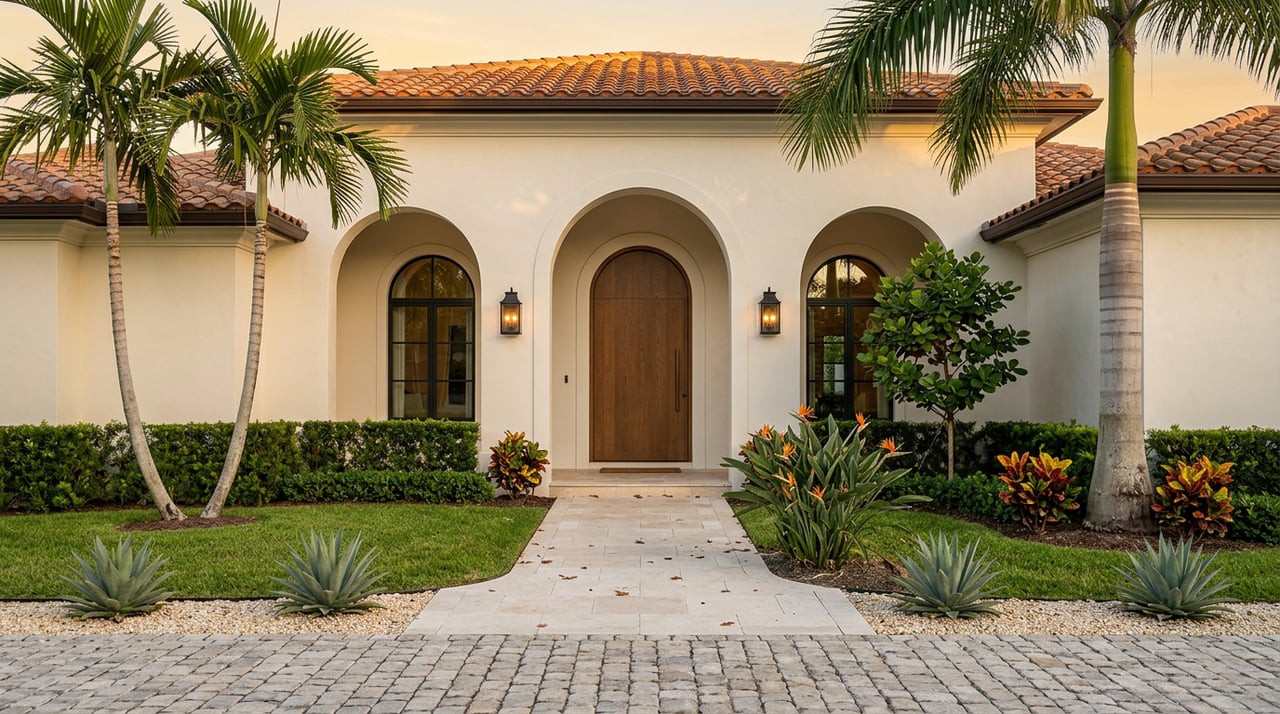
If you are eyeing Palm Trail in Delray Beach, you are targeting one of the most boutique pockets on the east side. The right home can surface quickly and vanish just as fast, which makes preparation everything. You want clarity on price, financing that signals strength, and a plan for off‑market opportunities so you are not waiting on chance.
This guide gives you a simple, step‑by‑step plan to buy confidently in Palm Trail. You will learn how to read the data in a small market, the difference between waterfront and interior pricing, how to get jumbo‑ready, and how to write a strong offer without giving up key protections. Let’s dive in.
Palm Trail at a glance
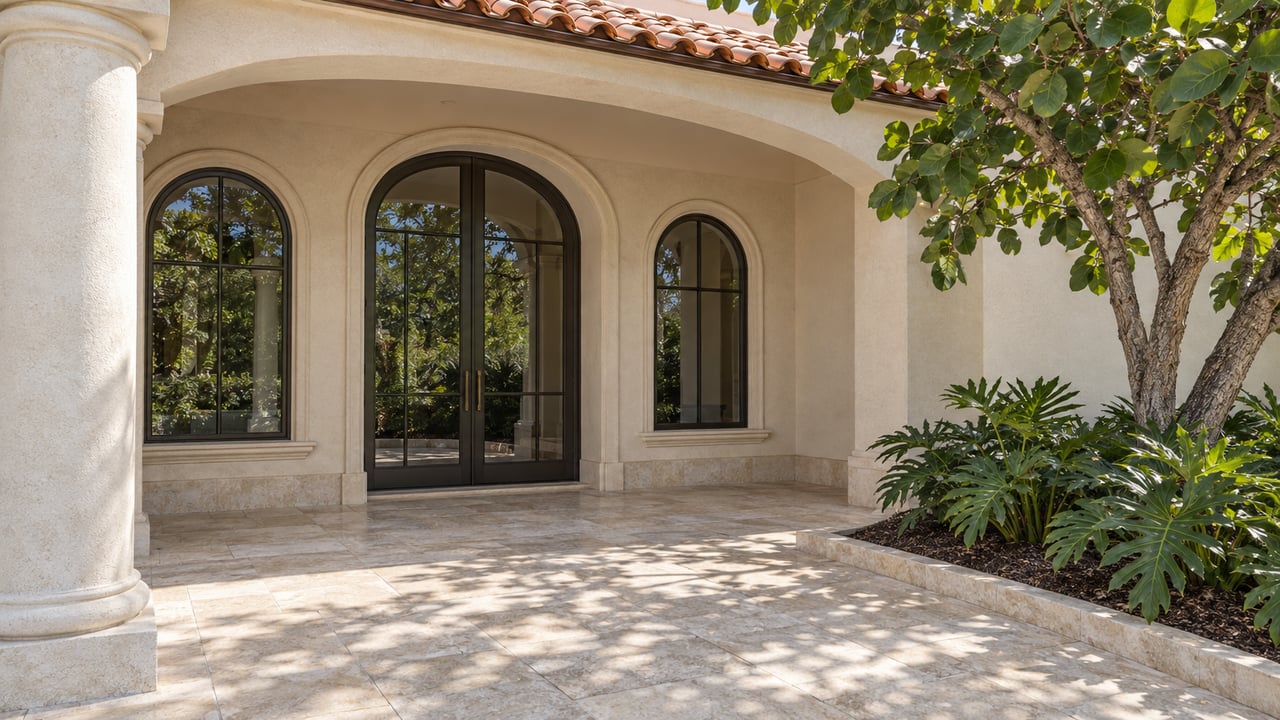
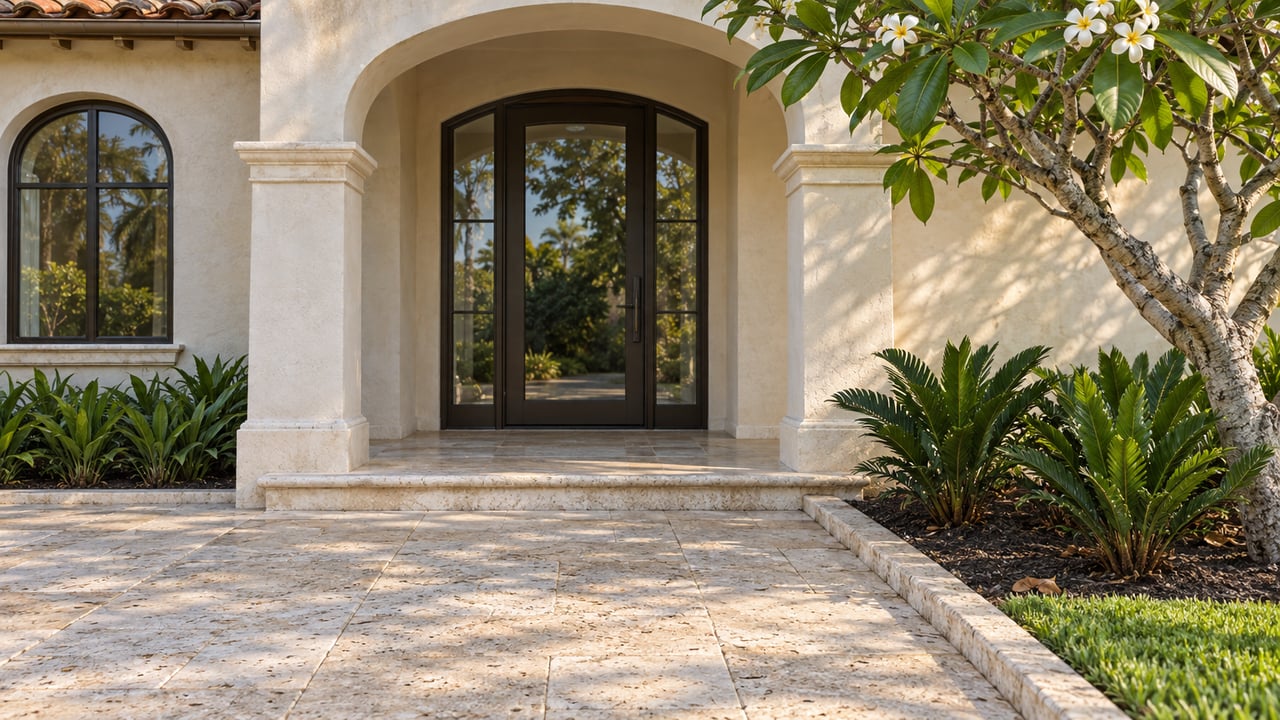
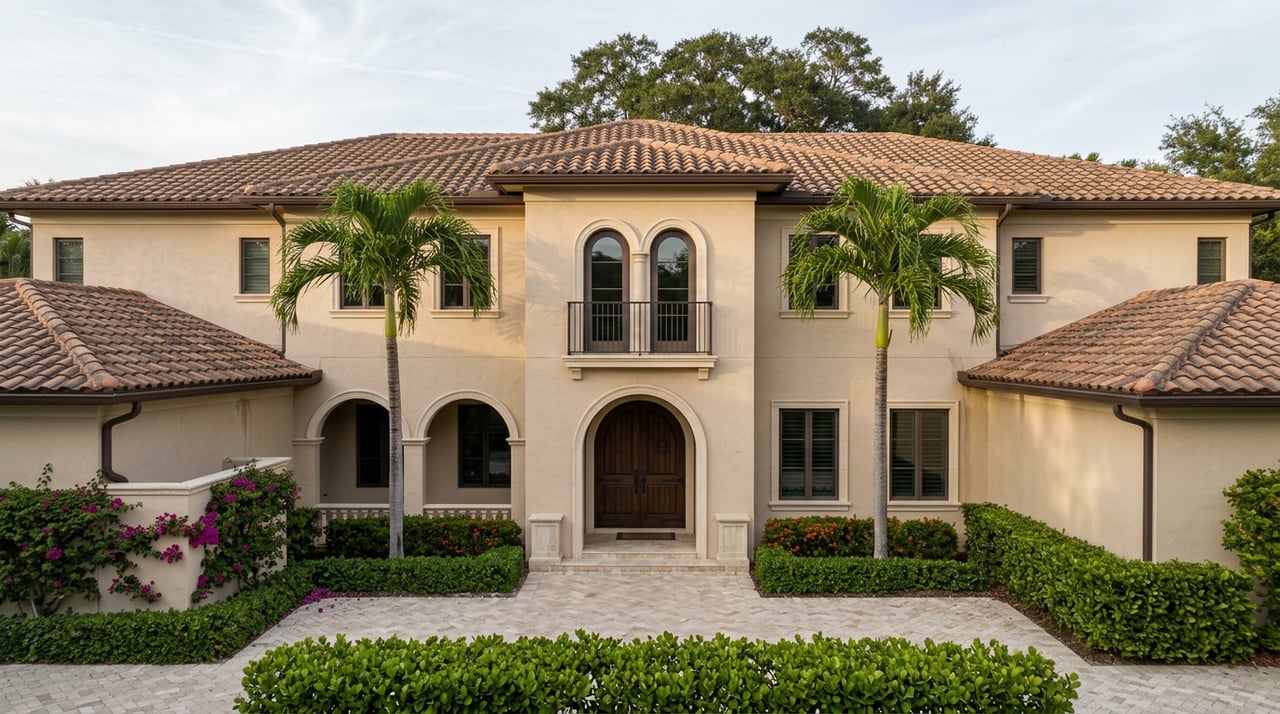
Palm Trail is a small, walkable micro‑market in east Delray Beach near Atlantic Avenue and the municipal beach. It blends Intracoastal waterfront estates, large townhome and courtyard styles, and a limited number of interior lots. Because the geography is tight and the homes are high value, you will see very few listings at any given time and long pauses between great matches.
In a small sample market like this, averages can be misleading. As of late 2025, neighborhood snapshots showed a median sale price near 1.8 million from one source and an average neighborhood value near 2.8 million from another source using data through January 31, 2026. That gap highlights how a single luxury closing or a vacant lot sale can swing the numbers. Treat neighborhood stats as directional unless you are looking at specific comparable sales with dates attached.
Market reality: low inventory, long waits
- Listings appear infrequently and often sit longer if they are unique luxury parcels. You may see stretches with only a couple of active listings and then a sudden standout option.
- Be patient but ready. Expect pauses of weeks or months until a match surfaces. When it does, speed and certainty usually win in Palm Trail.
Set up alerts, but also build the right team now so you can act quickly when you see the fit.
Waterfront vs. interior: pricing and risk
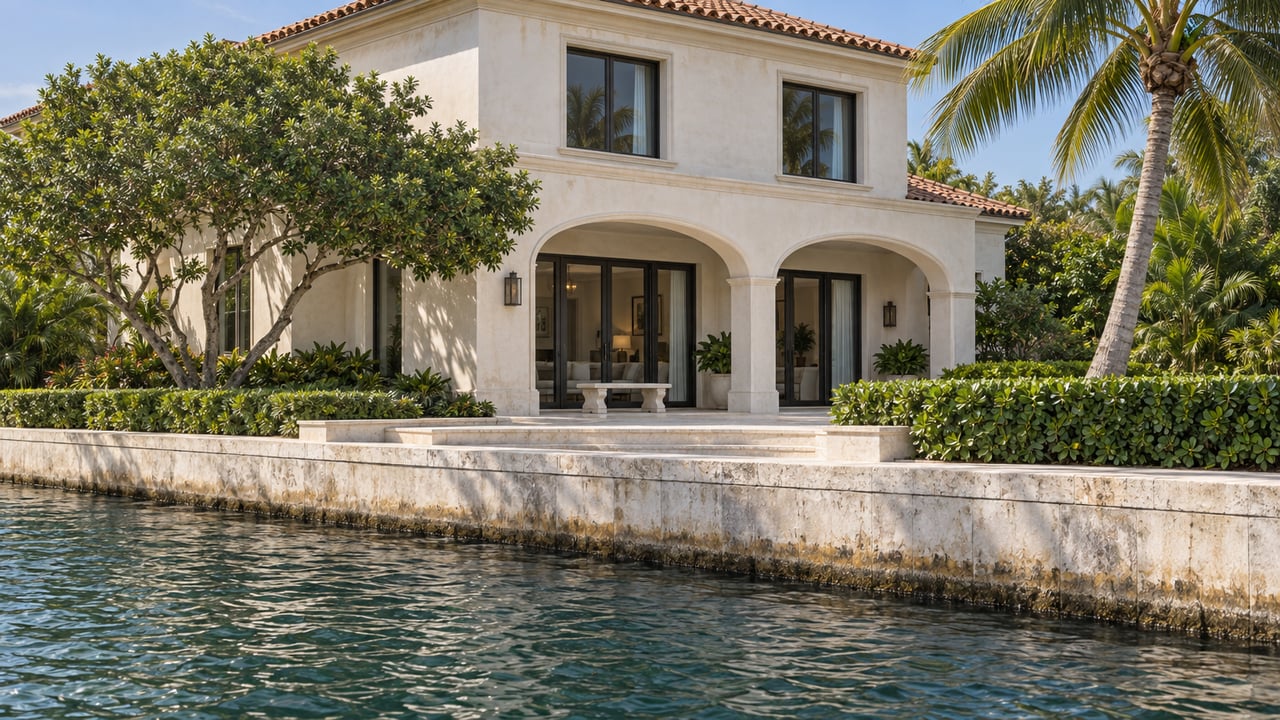
Waterfront properties with direct Intracoastal frontage and private deep‑water dockage command a large premium over interior or courtyard homes. Waterfront here ranges from redevelopment lots to custom estates and can reach the mid‑millions to low eight figures. Interior townhomes and off‑frontage single‑family homes typically trade at lower seven‑figure prices.
Concrete examples that illustrate the spread:
- An estate property such as 333 Palm Trl has historically represented the upper end of the market with multi‑million dollar closed pricing.
- Wide‑frontage waterfront homes and large dockable parcels are often listed in the mid‑millions to low tens of millions.
- Courtyard townhomes and interior single‑family homes on non‑waterfront lots often list and sell in the lower seven figures.
Important cost notes for waterfront buyers:
- Seawall and dock repair or replacement can be significant capital items.
- Flood and wind insurance are usually higher for waterfront locations.
- Lenders will underwrite these risks, so plan to document reserves and insurance quotes early. You can quickly verify flood zones using FEMA’s Flood Map Service Center and discuss elevation certificates with the seller.
Get financing jumbo‑ready
Most Palm Trail purchases will exceed standard conforming loan limits. For 2026, the baseline 1‑unit conforming limit is 832,750, with a high‑cost area ceiling of 1,249,125. Loans above your applicable county limit are considered jumbo or non‑conforming, which usually require stronger documentation, higher credit, and larger reserves or down payments. Review the latest conforming limits from Freddie Mac at the start of your search.
What to line up before touring:
- Full lender pre‑approval that verifies income and assets, not just a soft pre‑qualification. If your target price suggests a jumbo or high‑balance loan, work with a lender that does jumbo underwriting regularly.
- A clear source of funds narrative for the deposit and down payment. Document gifts, retirement distributions, or sale proceeds so your lender can evaluate reserves.
- For cash buyers, current proof‑of‑funds statements.
A fully underwritten pre‑approval for a high‑balance or jumbo loan can materially strengthen your offer on million‑plus homes.
Helpful resource: Review the 2026 loan limit values and context from Freddie Mac for planning your financing path.
Insurance, flood and permitting checks to do early
Florida’s property insurance market has shown signs of stabilization according to the Office of Insurance Regulation’s Insurer Stability Unit, but coverage costs and availability remain critical deal factors in coastal areas. Get homeowners and wind quotes early and consider multiple carriers. The state’s stability reports explain reforms and market participation so you understand the backdrop before you bind coverage.
Every Palm Trail property should get a flood zone check. Use FEMA’s Flood Map Service Center to identify whether the home is in a Special Flood Hazard Area and whether a lender will require flood insurance. Ask the seller if an elevation certificate exists, which can help with premium quotes. Obtain quotes from both NFIP and the private market. Citizens Property Insurance also offers consumer resources that can orient you to wind mitigation and policy basics in Florida.
If you are evaluating a waterfront property, confirm dock and seawall condition, permitted dimensions, and prior approvals for structures. The U.S. Army Corps of Engineers and county permitting offices maintain records that can affect redevelopment options, timelines, and insurance.
Insurance and flood quick checklist:
- Pull preliminary homeowners, wind, and flood quotes during your offer window.
- Check the FEMA flood map and request any existing elevation certificate.
- Ask for dock, seawall, and permit history if waterfront.
- Confirm whether wind mitigation credits may apply based on roof, openings, and structural features.
Resources to start:
- Florida OIR Property Insurance Stability Report
- FEMA Flood Map Service Center
- Citizens Property Insurance consumer resources
- U.S. Army Corps permitting references and local county records
How to find homes when inventory is tight
In a micro‑market like Palm Trail, off‑market access often makes the difference. Many sellers prefer privacy, and some listings trade before they ever hit broad exposure.
Tactics that work:
- Work with a connected local agent who actively trades in east‑Delray and knows owners, builders, and other listing agents.
- Use targeted outreach. A focused letter campaign to specific streets or waterfront parcels can surface private opportunities, especially with absentee or long‑term owners. See this overview on how buyers find off‑market homes.
- Ask your agent to monitor private channels. Estate attorneys, builder networks, and quiet brokerage exchanges sometimes present properties to vetted buyers first.
- Consider builder and tear‑down paths. If you are open to new construction, local builders may quietly shop lots or spec opportunities.
Note on pocket listings: Broker rules and MLS policies shape how off‑market inventory can be shown. Work with an agent who follows local rules and uses proper disclosures.
Write a strong offer without losing protections
Before you make an offer, have your pre‑approval or proof of funds ready, your title company identified, and inspection vendors on call. In a competitive moment, small delays can cost you the house.
Levers you can use and how to protect yourself:
- Price: Stay competitive, but tie any escalation to a hard ceiling. A valuation cap helps prevent overpaying.
- Earnest money: Nationally 1 to 2 percent is common. In stronger competitions you may see 3 percent or more. A larger EMD signals commitment, but only increase it if key contingencies remain in place.
- Escalation clause: This can automatically outbid other offers up to a max. Have an experienced agent write it and preserve inspection and financing protections where appropriate. Some sellers dislike escalation, so use it case by case. See this consumer guide on winning offers for pros and cons.
- Appraisal strategy: Instead of waiving the appraisal contingency, consider a limited appraisal gap clause where you agree to bring a set amount of cash if the appraisal comes in short. That protects your financing while showing resolve. Learn more about appraisal gap strategies here.
- Inspection: Do not skip inspections. A smart compromise is a short inspection period, such as five business days, or a limit on repair requests above a set threshold, while keeping your walk‑away right for major defects. See these tips for navigating inspection timing.
Example of a competitive but protected offer:
- Full pre‑approval letter attached
- Proof of funds for down payment or cash purchase
- 3 percent earnest money deposit
- Five business day inspection period with repair requests limited to material items over 5,000
- Appraisal gap coverage up to 15,000
- Clear closing timeline and lender contact info provided to the seller
Timing expectations in Palm Trail
Because listings are scarce, stay patient on the search and aggressive on execution.
- Search and showings: 1 to 6 months or more, depending on how specific your criteria are
- Offer to contract: 1 to 7 days in a competitive window
- Inspection and underwriting: 2 to 6 weeks, longer if jumbo financing is involved
- Closing: 30 to 60 days depending on loan type and title work. Jumbo loans often need added documentation and review.
Plan your timing with your lender and inspector so you can tighten the offer periods without adding risk.
Due diligence you should not skip
Once under contract, move fast but stay thorough:
- Verify parcel history and taxes with the Palm Beach County Property Appraiser. Use the county tax tools to estimate your post‑purchase bill.
- Confirm FEMA flood zone, request any elevation certificate, and finalize flood quotes.
- Order wind mitigation, roof, and structural inspections. If waterfront, add seawall and dock inspections. Confirm permits for all existing structures.
- Review HOA or condo documents if applicable, including assessments, insurance coverage, and rental rules.
- Complete a title search and survey to check for liens, encroachments, and easements.
- Pull county building permit history for all renovations.
Action steps: your 6‑part game plan
Financial foundation. Get fully underwritten pre‑approval or assemble proof of funds. Confirm whether your target price falls under conforming, high‑balance, or jumbo guidelines. If you are above conforming limits, speak with at least two lenders experienced in jumbo underwriting. Start with the current conforming loan limits from Freddie Mac.
Build your rapid‑response team. Engage a local buyer’s agent with east‑Delray expertise, a title company, an inspector who can mobilize quickly, and an insurance broker who can pre‑quote homeowners and flood policies. Florida’s OIR Stability Report offers background on the insurance market so you can set expectations early.
Watch all channels. Set MLS alerts for Palm Trail, request private circulation of your buyer profile inside brokerage networks, and run targeted outreach on streets you prefer. This primer on finding off‑market homes outlines effective approaches.
Prepare your offer template. Pre‑load proof of funds, pre‑approval, an agreed EMD amount, a short inspection window, and a capped appraisal gap strategy. Consider an escalation clause only if your agent recommends it and the seller will consider it. See consumer guidance on competitive offer tactics and appraisal gaps for structure ideas.
Complete quick but thorough diligence. Order inspections immediately, pull permit history, request a current survey for waterfront parcels, and secure final insurance binders. The Palm Beach County Property Appraiser is your go‑to for parcel and tax records.
Close with contingency awareness. Confirm the appraisal timeline and any lender conditions tied to jumbo underwriting, such as added reserves or tax returns. Keep your lender and title company aligned on dates and document flow.
The bottom line
Buying in Palm Trail rewards preparation. You will face fewer listings, wider pricing bands, and more variables around insurance and waterfront details than in a typical suburban market. If you get your financing path dialed in, monitor both public and private channels, and write a strong yet protected offer, you will be ready when the right property appears.
If you would like a tailored plan for Palm Trail, including off‑market search and a jumbo‑ready pre‑approval strategy, connect with Thomas Pidgeon to get started.
FAQs
How competitive is Palm Trail for buyers new to Delray Beach?
- Inventory is limited and listings appear sporadically. Expect a longer search window and be ready to act quickly with full pre‑approval and vendors on call.
How do waterfront prices in Palm Trail compare to interior homes?
- Direct Intracoastal properties with dockage command a significant premium over interior or courtyard homes, often by several million dollars depending on frontage, condition, and redevelopment potential.
What financing works best for million‑plus homes in Palm Trail?
- Many purchases require high‑balance or jumbo loans. A fully underwritten pre‑approval from a lender experienced with jumbo underwriting makes your offer more competitive.
What insurance steps should I take before I make an offer in Palm Trail?
- Pull preliminary homeowners, wind, and flood quotes, check the FEMA flood map, and ask for an elevation certificate. If waterfront, verify seawall and dock condition and permit history.
How can I find off‑market or pocket listings in Palm Trail?
- Work with a well‑connected local agent, run targeted owner outreach, and monitor private channels like estate sales and builder networks. Some luxury sellers prefer private marketing.
What is a safe way to stay competitive without waiving protections?
- Use a short inspection period, a capped appraisal gap clause, and a clear pre‑approval. Consider an escalation clause only with an agent’s guidance and keep key contingencies intact.